
Stop me if you’ve heard this one before: an older adult develops a small scratch on their leg. It seems harmless, so they clean it quickly and carry on with their day. But over the next week, that scratch doesn’t heal. Instead, it becomes red, warm and increasingly painful – and suddenly, managing a “simple wound” turns into a stressful situation.
If this sounds familiar, you’re not alone. Wounds that once healed without much thought are now taking longer, especially for older people or those managing conditions like diabetes or circulatory issues. And with slow healing comes the fear of infections, reduced mobility or even hospital stays.
But today’s landscape of wound care looks very different from even five years ago. Advances in technology, assessment tools and treatment materials are reshaping what good wound management looks like – and if you’ve ever worried about how a wound is healing, these modern techniques can be genuinely reassuring.
In this article, you’ll learn the breakthrough approaches that are improving healing outcomes and why staying informed about modern wound care is essential for anyone supporting an older adult or a person with a chronic condition.
Smarter Assessment Tools That Improve Healing From Day One
Accurate assessment is the backbone of effective wound healing. Traditionally, wound evaluation relied heavily on visual inspection and manual measurement. Today, clinicians are using more sophisticated tools that boost accuracy and speed.
Digital Wound Measurement
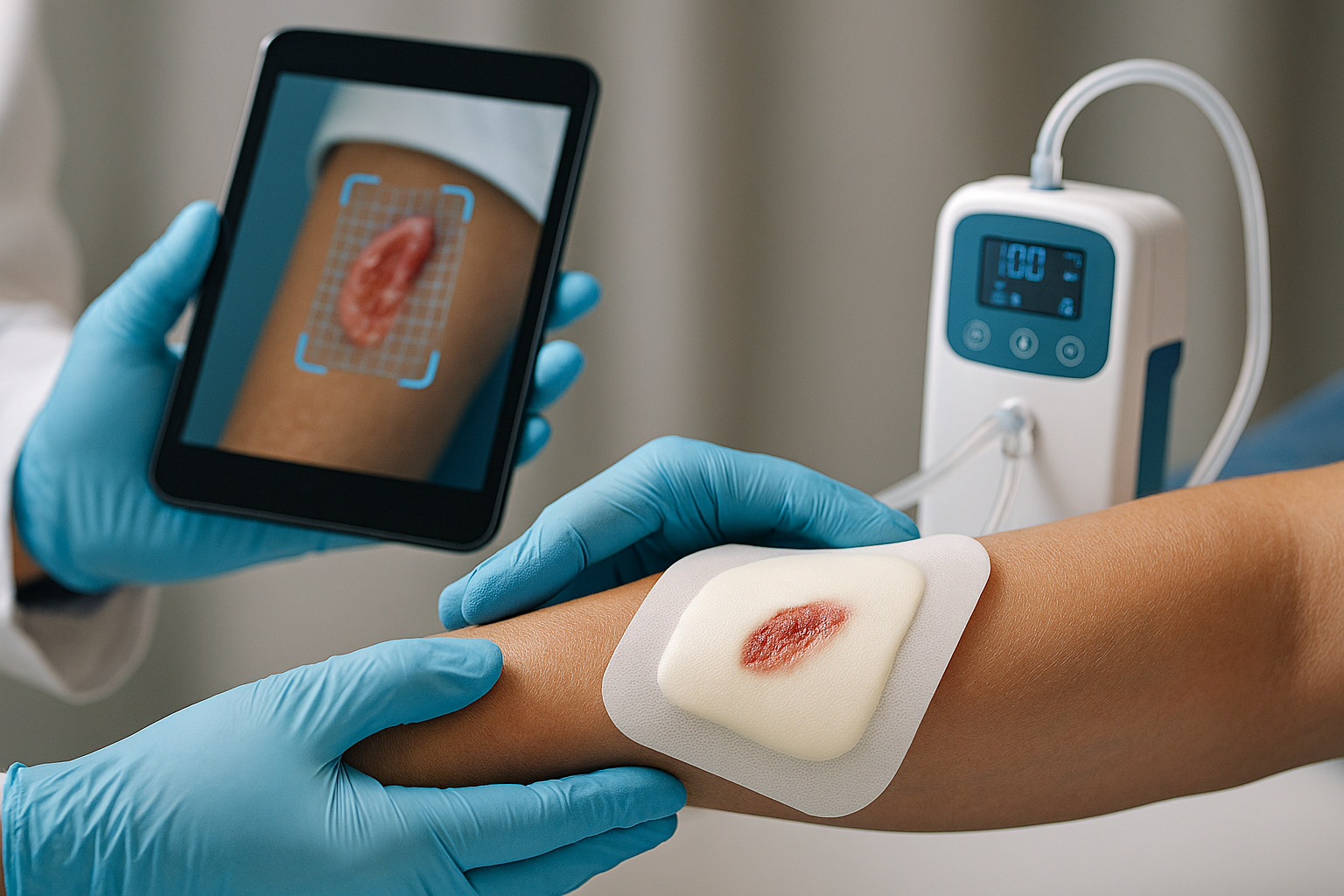
Digital imaging tools, such as 3D wound scanners, help clinicians calculate wound size, depth and healing progress with remarkable precision. Studies show that digital measurement reduces human error and supports earlier intervention when healing slows.
For example, Journal of Wound Care research found that digital assessment can improve consistency and lead to better treatment planning.
Improved Risk Screening
Modern tools can better identify risks such as:
- Poor circulation
- High infection likelihood
- Pressure injury potential
- Delayed healing due to chronic illness
Early detection means earlier action – reducing complications and supporting faster recovery.
Advanced Dressings Designed for Complex Wounds
Gone are the days when wound care simply meant gauze and tape. Today’s dressings are purpose-built to maintain ideal healing environments, manage moisture, control bacteria and support tissue repair.
Here are the standouts shaping current best practice:
Hydrocolloid and Alginate Dressings
These are widely used for wounds that need moisture retention or absorption. They:
- Maintain a stable temperature
- Protect sensitive skin
- Reduce the need for frequent dressing changes
Antimicrobial Dressings
Dressings infused with silver, honey or iodine reduce bacterial growth and help prevent infection. According to the National Institute for Health and Care Excellence (NICE), antimicrobial dressings can be beneficial when infection is suspected.
Foam Dressings for Comfort and Protection
Foam dressings have become a first-line choice for pressure injuries and chronic wounds. They:
- Provide cushioning
- Absorb excess moisture
- Reduce friction and shear
Smart Dressings
A newer innovation, smart dressings can detect changes in temperature — a common early indicator of infection – and may soon be able to release medication automatically. Some prototypes even use colour-changing technology to show when the dressing needs replacing.
How Technology Is Transforming Wound Care
Technological advancements are creating a more proactive, connected and personalised approach to healing.
Telehealth for Wound Monitoring
Remote wound monitoring allows clinicians to receive images, updates and progress reports without requiring daily in-person visits. For many older adults or people with mobility limitations, this reduces the burden of frequent appointments while ensuring continuous clinical oversight.
Portable Negative Pressure Wound Therapy
Negative Pressure Wound Therapy (NPWT) removes excess fluid, improves circulation and accelerates healing, particularly for deep or chronic wounds. Once only available in hospitals, portable NPWT devices now enable people to receive this treatment in their own homes.
AI-Assisted Wound Analysis
Some emerging tools use AI to evaluate wound characteristics and predict healing outcomes. While still developing, early studies suggest that AI could significantly reduce delays in clinical decision-making.
The Rising Role of Home-Based Clinical Support
More people are choosing to recover at home, and wound care is no exception. With skilled nurses now able to deliver complex treatments in a home environment, high-quality care is more accessible than ever.
Home-based wound support typically includes:
- Comprehensive assessment
- Dressing changes
- Infection monitoring
- Chronic wound management
- Education for family members
- Communication with GPs or specialists
This model offers a personalised approach that reduces hospital visits and supports faster, more comfortable healing.
If you’re trying to understand what professional clinical support looks like in a home setting, you can explore how home-based nursing teams typically approach wound care services.
Why Modern Approaches Matter for Long-Term Health
Modern wound care isn’t just about faster healing — it’s about preventing long-term complications. Slow-healing wounds can lead to infections, reduced mobility, increased hospitalisation risk and in some cases, chronic discomfort.
By using evidence-based techniques and advanced tools, clinicians can:
- Reduce infection risk
- Promote healthy tissue regeneration
- Improve comfort
- Shorten healing time
- Support independence at home
And for older adults or people managing chronic conditions, these gains can significantly improve overall quality of life.
Moving Forward With Confidence
Wound care has changed dramatically over the past decade. From smart dressings to telehealth to precise digital assessment, modern techniques are giving people more control, more comfort and more confidence in the healing process.
If you’re caring for someone with a chronic or hard-to-heal wound, staying informed about these advancements can make a noticeable difference. The right knowledge – paired with professional support when needed – can help you navigate wound management with less worry and greater peace of mind.