
Industrial IoT networks are everywhere now. Walk into any manufacturing plant, utility company, or logistics operation, and you’ll find connected sensors, controllers, and systems all talking to each other. It’s impressive until you realize how vulnerable most of these environments actually are.
Here’s what keeps security teams up at night: these industrial networks have become prime targets, and the tools we’ve relied on for years just don’t cut it anymore. Why? Try patching a 15-year-old controller that runs critical processes. Try installing security agents on equipment that might crash if you look at it wrong. Try explaining to operations why you need to take production offline for a security scan.
You can’t. And attackers know it.
Traditional security in these environments is like trying to lock down a sprawling campus with a single guard at the front gate. Once someone gets past that initial checkpoint, they can wander around for weeks before anyone notices. The scary part? They blend right in because machine-to-machine traffic is so complex that malicious activity looks pretty much like normal operations.
That’s where deception technology completely changes the game. Instead of waiting around hoping your detection tools catch something bad, you actively lure attackers into traps that expose them the moment they start poking around.
Why Old School Security Doesn’t Work Here
Look, traditional security tools were built for corporate IT networks. Desktops, servers, and applications that get updated regularly. Industrial IoT is a completely different beast.
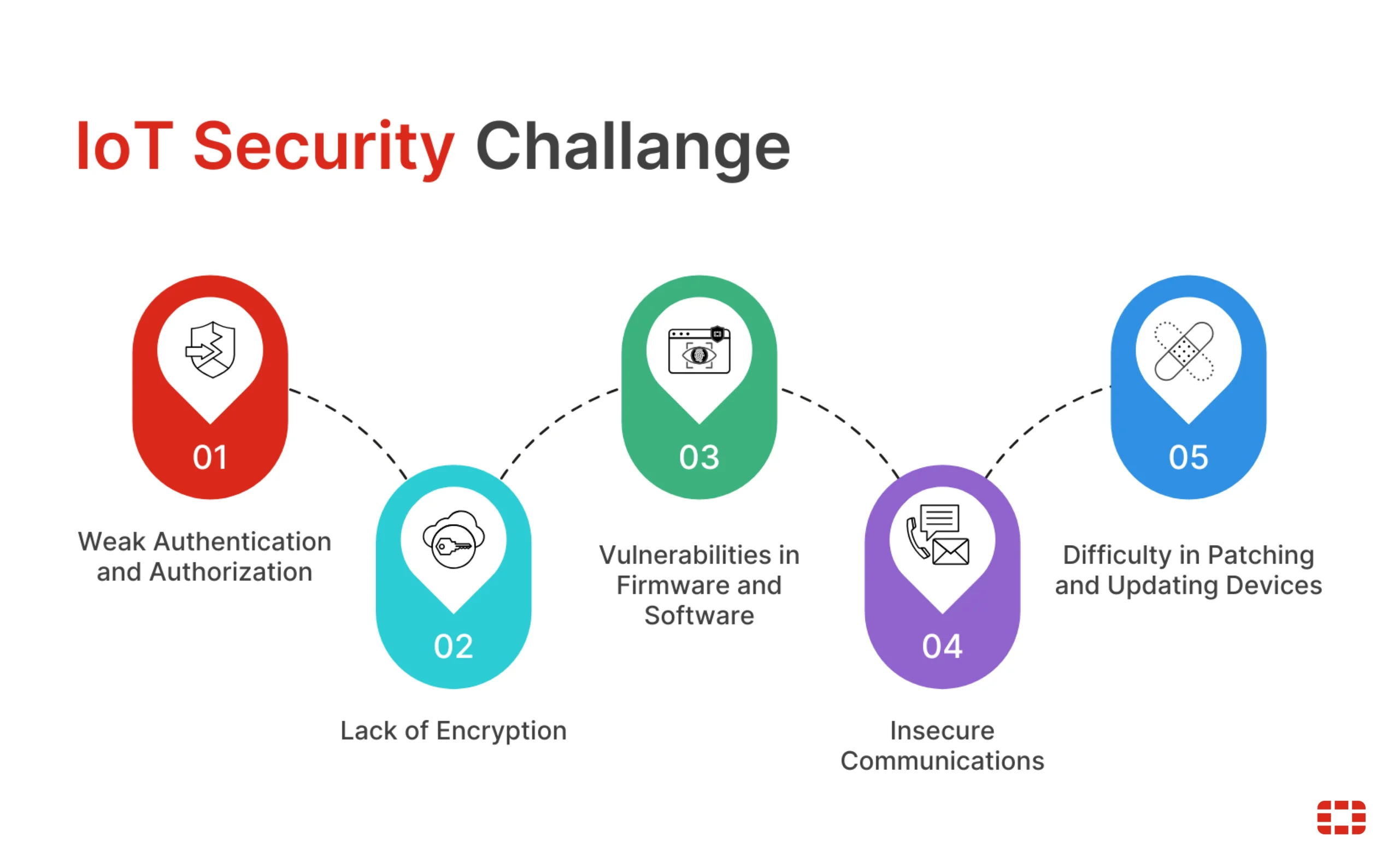
We’ve seen factories running controllers on operating systems from the early 2000s. No encryption. Authentication that’s basically a suggestion. Logging? What is logging? And you absolutely cannot patch these things without potentially shutting down production for hours or days. Try telling a plant manager you need to take the line down to install a security update. See how that goes.
The network setup makes everything worse. You’ve got sensors chattering away to controllers. Controllers talking to SCADA systems. Data flowing up to cloud platforms. All using different protocols from different vendors, half of which your security team has never even heard of. Good luck getting visibility into what’s actually happening.
And here’s the kicker: when something goes wrong in an industrial environment, it’s not just about stolen data or a compromised server. We’re talking about production lines grinding to a halt. Safety systems getting tampered with. Real physical consequences. Your security solution better not be the thing that causes those problems.
How Deception Actually Works
Deception takes a totally different approach. Instead of trying to block every possible attack (impossible in these messy environments), you scatter realistic fakes throughout your network. When attackers interact with these decoys, they announce their presence before they ever touch anything that matters.
Think of it this way. You create fake devices, credentials, files, and network segments that look completely legitimate. An attacker scanning your network sees what appears to be a juicy target. A PLC controlling an important process. A file server with maintenance credentials. A database with production data.
They can’t tell it’s fake. It responds to scans correctly. Shows up in network discovery. Behaves exactly like the real thing. So, they go after it.
But here’s the beautiful part. Your legitimate users and systems have zero reason to touch these decoys. They’re doing their normal jobs, communicating with real equipment, and accessing actual data. When something interacts with a fake asset, you know immediately that it’s either an attacker or a seriously compromised account.
The whole thing works without disrupting anything. You’re not scanning production systems. Not installing agents on sensitive equipment. Not changing how anything operates. You just add convincing fakes to your environment and watch who takes the bait.
What This Looks Like in Practice
The best deception setups layer multiple types of traps.
Start with fake devices. Create decoy PLCs, RTUs, human-machine interfaces, and sensors. Make them look and act like your actual equipment. Put them where an attacker doing reconnaissance would expect to find critical systems. When someone scans your network and starts investigating what looks like an important controller, boom. You’ve got them.
Use industrial protocols as bait. Most security tools completely ignore protocols like Modbus, BACnet, and DNP3. They don’t understand them, so they can’t monitor them. Deception technology can emulate these protocols on your decoys. When an attacker sends commands to what they think is a real system, you capture their exact techniques and intentions.
Plant fake credentials everywhere. SSH keys in maintenance directories. API tokens in configuration files. Database credentials in backup scripts. Label them with tempting names like “Emergency_Access” or “Remote_Support_Key.” When these get used, you know someone’s grabbed credentials they shouldn’t have.
Build out fake file shares. Create directories full of convincing documents. System diagrams. Maintenance procedures. Firmware updates. Configuration backups. Attackers trying to understand your environment or steal intellectual property will absolutely poke through these. And you’ll know the second they do.
Set up entire fake network segments. VLANs or subnets that look like production environments but are completely isolated and monitored. Fill them with decoys. Any traffic in these zones is automatically suspicious. It gives you a safe sandbox to watch what attackers do without putting real systems at risk.
Create user accounts that look too good to be true. “scada_admin.” “backup_superuser.” “remote_diagnostics.” Accounts that appear to have elevated access but are actually just honeypots. They catch brute force attacks, password spraying, and privilege escalation attempts. All without affecting legitimate users.
Why This Beats Regular Detection
Detection tools analyze logs, look for anomalies, match threat signatures. The problem in industrial environments is that weird doesn’t always mean malicious. You get false positives from unusual but legitimate operations. You get false negatives when attackers blend in with normal traffic.
Deception removes all that ambiguity. Someone touched a decoy? That’s not normal under any circumstances. That’s a real threat that needs immediate attention. No guessing. No wondering if it’s a false alarm. High confidence alerts that actually matter.
You also get incredible intelligence. Since decoys can safely engage with attackers, you see exactly what they’re doing in real time. What tools are they using. What commands are they running. What they’re searching for. This helps you understand the full scope of the compromise and hunt for other affected systems.
Regular detection also struggles with insider threats and stolen credentials. These look completely normal because they are legitimate users or accounts, just being misused. Deception catches them because eventually they’ll interact with a decoy during reconnaissance or lateral movement.
Where Deception Fits in Modern Security
Industrial IoT security can’t be reactive anymore. You can’t wait until attackers have already messed with your systems. Deception gives you that early warning before real damage happens.
It also works great alongside everything else you’re already doing. You still need firewalls. You still need network segmentation. You still need access controls. Deception is an extra layer that catches what those tools miss. When someone gets past your perimeter and starts exploring internally, deception is what reveals them.
For environments where traditional tools just won’t work (legacy systems, air-gapped networks, equipment that can’t handle monitoring agents), deception provides security without touching production assets. The decoys do all the work while your critical systems keep running.
How Fidelis Makes This Real
Fidelis Deception brings all of this to industrial environments in a package that actually works in the real world. It automatically deploys realistic decoys across IoT networks and emulates the exact protocols and behaviors your industrial control systems use. The platform captures real-time intelligence on what attackers are doing as they engage with decoys. Because it’s agentless and doesn’t touch production systems, it works in environments where traditional security would cause problems. You get full visibility into threats targeting your industrial network without any operational impact, plus all the forensic data you need to respond fast.
Here’s the Reality
Industrial IoT networks are too important and too exposed to keep using security approaches that were designed for a different world. Deception technology gives you a real advantage by making your environment itself detect threats. When you do it right, you catch attackers early, understand exactly what they’re trying to do, and accomplish all of this without disrupting the operations that keep your business running.
If you’re securing industrial systems, ask yourself this: would you know if an attacker was quietly exploring your network right now? Do you have visibility into threats that already got past your perimeter? Deception technology answers those questions before things go sideways.