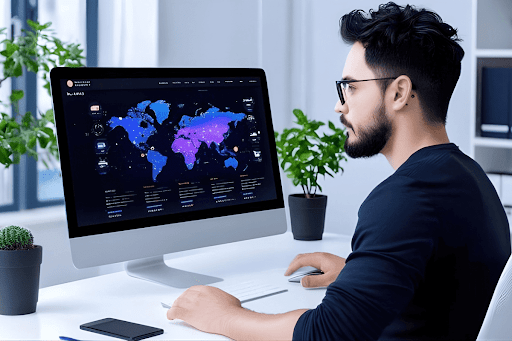

In today’s digital world, data is the lifeblood of any organization. From sensitive customer information to proprietary business insights, protecting data has never been more critical. A data protection strategy involves the processes, policies, and technologies put in place to safeguard information against unauthorized access, loss, or corruption.
As organizations increasingly shift to cloud environments, traditional security measures alone are no longer sufficient. This is where cloud security consulting comes in. Experts in this field help businesses navigate complex cloud landscapes, identify vulnerabilities, and implement strategies that ensure data remains secure, compliant, and resilient.
Understanding Cloud Security
Cloud security refers to the set of technologies, policies, and practices designed to protect cloud-hosted data, applications, and services. Unlike on-premises infrastructure, cloud environments introduce unique challenges due to their accessibility, shared infrastructure, and multi-tenant nature.
Types of Cloud Environments
- Public Cloud – Shared resources provided by third-party providers like AWS, Azure, or Google Cloud.
- Private Cloud – Dedicated resources for a single organization, offering more control and security.
- Hybrid Cloud – A combination of public and private clouds, balancing scalability with security.
Common Cloud Security Threats
- Data Breaches: Unauthorized access to sensitive information.
- Misconfigurations: Improper settings can expose data publicly.
- Insider Threats: Employees or contractors with malicious or accidental access.
- Shadow IT: Unapproved cloud services used by staff, creating unmonitored risks.
The Need for Cloud Security Consulting
Cloud environments are inherently complex, making it challenging for businesses to maintain a strong security posture. The shared responsibility model further complicates matters: cloud providers secure the infrastructure, but customers remain responsible for data, applications, and access management.
Furthermore, regulatory requirements like GDPR, HIPAA, and SOC 2 require organizations to adopt stringent data protection measures. Without expert guidance, businesses risk non-compliance, financial penalties, and reputational damage.
Benefits of Engaging Cloud Security Consultants
Hiring a cloud security consultant brings specialized expertise and a structured approach to safeguarding your cloud environment. Key benefits include:
- Risk Assessment and Threat Detection: Identifying vulnerabilities before attackers do.
- Compliance Assurance: Ensuring adherence to industry regulations and security standards.
- Cost Optimization: Focusing on high-risk areas reduces unnecessary expenditure.
- Incident Response Planning: Establishing strategies to react swiftly to breaches or data loss.
- Implementation of Best Practices: Guidance on encryption, identity access management, and continuous monitoring.
Key Components of a Cloud Data Protection Strategy
A robust cloud data protection strategy should cover multiple layers of security:
- Data Classification and Governance: Organize data based on sensitivity and apply appropriate controls.
- Identity and Access Management (IAM): Control who can access data and what actions they can perform.
- Encryption and Key Management: Protect data both in transit and at rest using strong encryption methods.
- Security Monitoring and Threat Intelligence: Track unusual activity and respond to potential threats in real-time.
- Disaster Recovery and Backup Plans: Ensure quick restoration of data in case of loss.
- Continuous Auditing and Compliance Checks: Regularly verify that security measures meet required standards.
Steps to Enhance Your Data Protection Strategy with Consulting
Implementing a strong cloud security strategy requires a structured approach:
- Assess Current Security Posture: Conduct a full audit of existing cloud systems.
- Identify Vulnerabilities and Risks: Pinpoint misconfigurations, weak policies, and potential attack vectors.
- Design a Tailored Strategy: Align security measures with your organization’s goals and risk tolerance.
- Implement Security Solutions: Deploy tools, policies, and access controls.
- Employee Training and Awareness: Educate staff on cloud security best practices.
- Continuous Monitoring and Optimization: Security is ongoing—regularly update policies and tools to stay ahead of threats.
Cloud Security Tools and Technologies
Cloud security consultants often leverage a combination of native and third-party tools:
- Cloud-Native Tools: AWS Security Hub, Azure Defender, Google Cloud Security Command Center.
- Third-Party Solutions: Endpoint protection, SIEM tools, and cloud access security brokers (CASBs).
- Automation and AI: Proactive threat detection and automated responses reduce human error and improve efficiency.
Case Studies / Success Stories
Many organizations have strengthened their data protection through cloud security consulting:
- Example 1: A healthcare provider improved HIPAA compliance and prevented unauthorized access by implementing an IAM framework recommended by consultants.
- Example 2: A financial services company mitigated the risk of ransomware attacks by deploying automated cloud monitoring and incident response strategies.
These examples demonstrate how expert guidance can transform a cloud security posture and protect critical data assets.
Future Trends in Cloud Security
Looking ahead, cloud security is evolving rapidly:
- AI and Machine Learning: Predictive analytics for faster threat detection.
- Zero Trust Security Models: Verify every user and device before granting access.
- Multi-Cloud Security Strategies: Securing data across multiple cloud providers becomes increasingly vital.
Staying ahead of these trends ensures businesses remain protected against emerging threats.
Conclusion
Enhancing your data protection strategy with cloud security consulting is no longer optional—it’s essential. By leveraging expert guidance, businesses can reduce risk, maintain compliance, and build resilient, secure cloud environments. Investing in consulting services provides peace of mind, protects sensitive data, and ensures long-term growth in an increasingly digital world.