
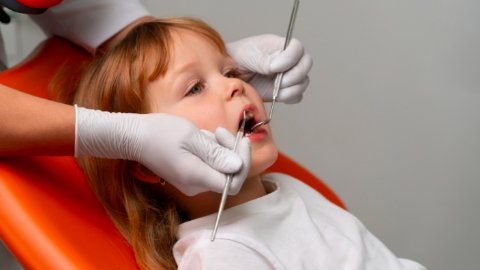
Building confidence in young patients through preventive care is crucial. You create a foundation of trust by taking proactive steps. The dentist in Morrisville, NC, knows that addressing health early helps kids feel empowered. When children see health as something they can manage, their confidence grows. Regular check-ups, especially for teeth, prevent issues before they start. Kids learn that caring for themselves leads to positive outcomes. This knowledge gives them a sense of control over their well-being. Understanding the benefits of preventive care also eases anxiety. Young patients learn that visits are not just for fixing problems. Instead, they see these appointments as opportunities to stay healthy. This shift in perspective builds resilience. It teaches children skills that last a lifetime. In this blog, you’ll discover three straightforward ways preventive care boosts confidence in young patients. Each approach focuses on empowering children to take charge of their health.
1. Routine Check-Ups Build Trust
Regular visits to healthcare providers show children that taking care of themselves is essential. These check-ups are not just about the immediate health benefits. They are about building a routine that young patients trust. When children visit their dentist regularly, they learn what to expect. This predictability reduces fear and anxiety.
Here’s a simple comparison of outcomes with and without routine care:
| Aspect | With Routine Care | Without Routine Care |
|---|---|---|
| Dental Health | Fewer cavities, healthier gums | Increased dental issues |
| Confidence Levels | Higher due to understanding and familiarity | Lower due to fear of unknown |
Children who trust the process feel more secure in their ability to manage their health. They see the dentist as a partner, not a place of fear. Over time, this builds a strong foundation for future interactions with healthcare.
2. Education Empowers Decision-Making
When children understand why they need specific health practices, they feel more in control. Educating young patients about their bodies and health choices empowers them. This education can happen in many ways. Simple explanations during check-ups help. So do interactive activities that engage children.
For example, teaching kids how to brush and floss properly is not just about technique. It’s about teaching them the reasons behind these actions. By understanding consequences, children learn to make informed decisions. They see the importance of their role in maintaining health.
The Centers for Disease Control and Prevention provides resources that emphasize the significance of early education in oral health. This knowledge helps children feel capable and confident, knowing they can influence their own health outcomes.
3. Preventive Care Encourages a Positive Outlook
Young patients with positive healthcare experiences develop a better outlook on life. Preventive care is not just about avoiding problems. It’s about giving children positive experiences that shape their attitudes towards health. When kids associate healthcare with positive outcomes, they are more likely to maintain these habits into adulthood.
This approach fosters resilience and a can-do spirit. Children come to see themselves as active participants in their health journey. They learn to approach new situations with confidence. They understand that with the right steps, they can handle challenges that come their way.
According to the National Institutes of Health, positive healthcare experiences in childhood can lead to better health behaviors later on. By instilling a proactive mindset, preventive care becomes a transformative tool.
In conclusion, preventive care is powerful. It builds confidence in young patients by establishing trust, empowering decision-making, and encouraging a positive outlook. These methods help children see themselves as capable and resilient. They learn that healthcare is not something to fear, but an opportunity to thrive. By focusing on these areas, you can help young patients develop lifelong confidence and a healthy approach to life.