
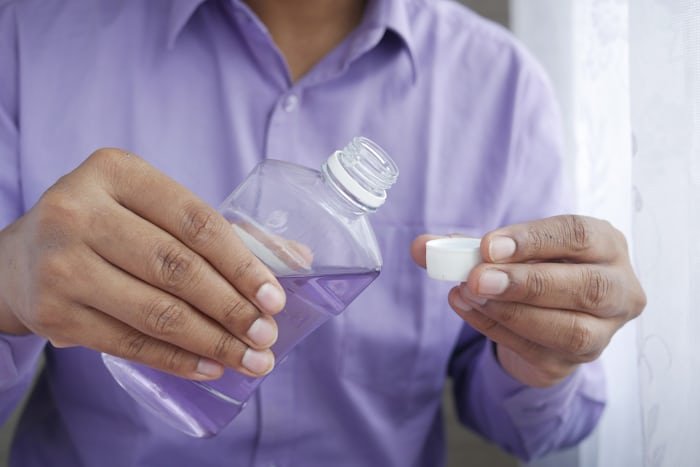
Choosing the right mouthwash can be overwhelming with so many options. But finding the right one is crucial for your oral health. A Stony Point dentist advises that not all mouthwashes are created equal. Some focus on freshening breath, while others target plaque or tooth decay. Your needs should guide your choice. Consider factors like sensitivity, alcohol content, and fluoride presence. Sensitivity needs a gentle, alcohol-free formula to avoid irritation. Plaque issues require a formula targeting bacterial growth. Fluoride options help fight tooth decay. By understanding these aspects, you empower yourself to make an informed decision. Remember, mouthwash is a helpful addition to brushing and flossing. It’s not a replacement. Being proactive about oral health can prevent common problems like gum disease and cavities. Your smile deserves the best, and the right mouthwash is part of that care. Choose wisely for a healthier, happier mouth.
Understanding Your Needs
Before selecting a mouthwash, define your primary oral health goal. Are you looking to combat bad breath, reduce plaque, or strengthen your teeth? Each mouthwash type serves a different purpose. Knowing your goal helps narrow down the options.
Types of Mouthwash
- Cosmetic Mouthwash: Designed to reduce bad breath temporarily. It doesn’t address underlying issues but can provide freshness before a social event.
- Therapeutic Mouthwash: Contains active ingredients to combat specific issues. It can help reduce plaque, gingivitis, cavities, and bad breath.
- Antiseptic Mouthwash: Often contains alcohol to kill bacteria. Best for addressing plaque and gum disease but may cause irritation for sensitive users.
- Fluoride Mouthwash: Strengthens tooth enamel and helps prevent decay. It’s especially beneficial for those at risk of cavities.
Ingredients to Consider
Look at the ingredient list when choosing a mouthwash. Here are some key components:
- Alcohol: Effective in killing bacteria but can be harsh. Consider alcohol-free options if you have a sensitive mouth.
- Fluoride: Benefits those prone to cavities. It helps in strengthening tooth enamel.
- Essential Oils: Natural oils like eucalyptol and menthol can reduce plaque and gingivitis.
- Chlorhexidine: A powerful antiseptic used in prescription mouthwashes. It’s effective but may cause staining with long-term use.
Comparison Table
| Mouthwash Type | Key Benefits | Considerations |
|---|---|---|
| Cosmetic | Freshens breath | Temporary effect |
| Therapeutic | Combats oral issues | May contain alcohol |
| Antiseptic | Reduces bacteria | Can irritate sensitive mouths |
| Fluoride | Strengthens enamel | Best for cavity-prone users |
Using Mouthwash Correctly
Proper use of mouthwash maximizes its benefits. Here’s how:
- Measure the recommended amount as indicated on the bottle.
- Swish it around your mouth for 30-60 seconds.
- Spit it out. Do not swallow.
- Avoid eating or drinking for 30 minutes afterward.
Consulting Professionals
If uncertain about which mouthwash suits you, consult a dental professional. They offer personalized advice based on your oral health needs. Regular dental check-ups ensure that your choice aligns with your oral health goals.
For more information on oral health and mouthwash, visit the American Dental Association and the Centers for Disease Control and Prevention.
Conclusion
Choosing the right mouthwash involves understanding your specific needs and the benefits of different types. By focusing on ingredients and seeking professional advice, you ensure optimal oral health. Your mouth deserves the best care. The right mouthwash is a step towards a healthier, happier smile.