
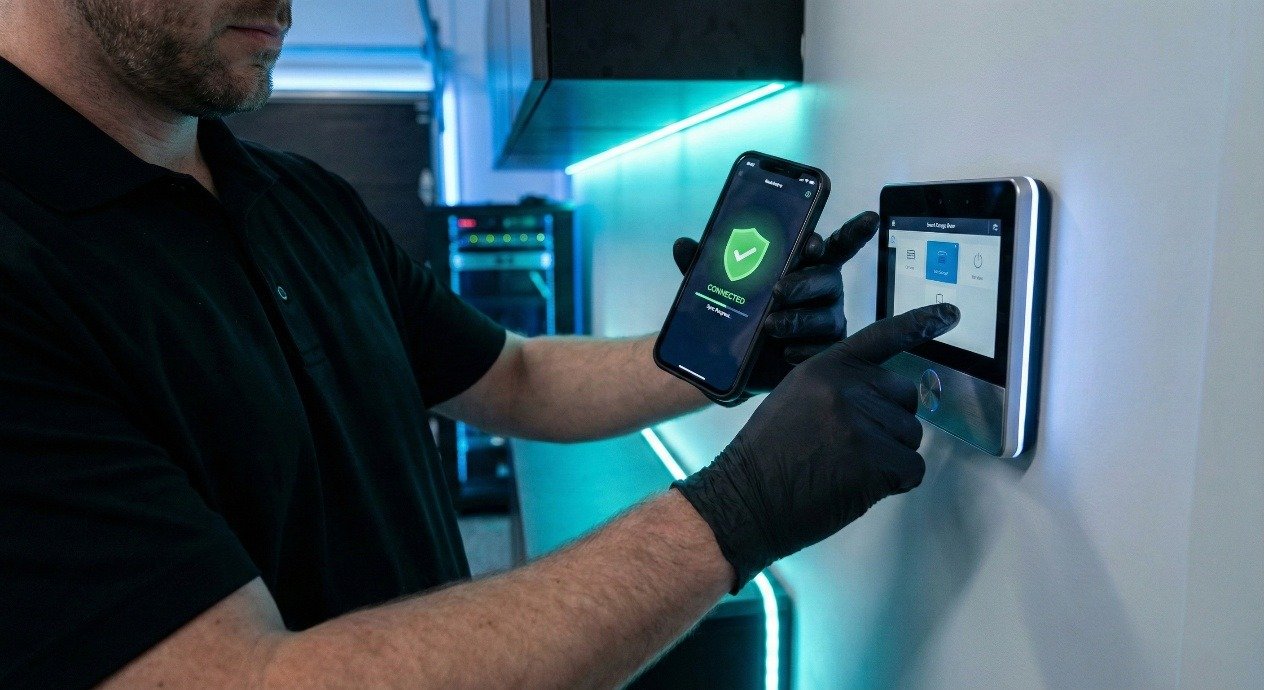
When it comes to home security, the garage door was once seen as nothing more than a basic mechanical shield. Traditionally built from steel or wood, it depended on sheer weight and a simple chain-driven motor to keep unwanted access out. But as homes evolve with smart technology, the nature of threats has changed too. Today, intruders are just as capable of exploiting digital weaknesses as they are of forcing their way in physically.
For anyone interested in how physical systems meet cybersecurity, the garage door is a perfect example to explore. It’s the largest entryway into most homes and frequently the least protected part of the security setup. Securing it effectively now requires a blend of strong hardware and smart digital safeguards. By updating older mechanisms and adding intelligent monitoring tools, homeowners can transform a common weak spot into a reliable, tech-enabled security layer.
The Risk of Outdated Garage Door Technology
A large number of households still rely on garage door openers built on old and insecure protocols. Earlier models operated using fixed codes, where both the remote and the opener communicated through one unchanging binary pattern set by dip switches. In security terms, this is no better than using a weak, predictable password easy for anyone with a basic RF scanner to intercept and reuse.
Even the first versions of rolling code systems come with weaknesses that security researchers and experienced burglars have managed to uncover. If your garage door opener was made before 1993, it’s missing the safety mechanisms and security features that are now considered standard. Upgrading to a modern unit that supports Security+ 2.0 or other advanced encrypted protocols is an essential move. These newer models generate a fresh code each time the remote is pressed, making replay attacks far more difficult for anyone attempting unauthorized access.
IUsing IoT for Smarter, Real-Time Garage Monitoring
IoT technology has shifted garage security from a passive setup to an actively monitored system. Traditional openers provide no feedback once you drive off, you’re left wondering whether you actually closed the door. A smart garage opener eliminates that doubt. By linking the door to your home’s Wi-Fi network, you can check its status anytime and from anywhere.
Today’s smart apps let you set instant alerts so you’re notified the moment your garage door opens when it shouldn’t. This real-time insight is vital for spotting potential break-ins as they happen. Many systems also include geofencing, which automatically shuts the door when your phone moves outside a preset boundary, guaranteeing the entrance stays secure even if you forget. This digital layer strengthens and expands the effectiveness of your overall home security setup.
Strengthening the Physical Security Layer
Even with advanced digital protections, weak physical components can still leave a garage vulnerable. A cybercriminal may fail to bypass your encrypted system, but a burglar can still exploit poorly built latches, worn tracks, or flimsy hardware. That’s why your mechanical setup must be just as strong as the smart technology operating it.
Start by evaluating the door’s locking systems. Many newer openers come with an automatic deadbolt that engages the moment the door shuts, securing it firmly to the track. This added reinforcement helps stop common break-in methods such as “fishing,” where intruders use a wire or hook to pull the emergency release from outside. It’s also important to shorten or secure the emergency release cord so it can’t be easily caught by tools pushed through the top edge of the door. These small adjustments significantly reduce the chances of forced entry.
Where Maintenance Meets Security
In cybersecurity, an outdated or unpatched system becomes an instant weakness and the same principle holds true for your garage’s mechanical setup. A poorly maintained door is far more vulnerable to tampering. When the door isn’t balanced correctly or the hardware has loosened over time, intruders can exploit those flaws. Weak springs make the door easier to lift by hand, and loose or misaligned tracks can allow someone to pry or shift the door out of place. Regular upkeep is not just about smooth operation it’s a core part of your overall security strategy.
Regular maintenance is essentially a security patch for your home. It involves tightening hardware, lubricating moving parts, and testing the balance of the door. When complex mechanical issues arise, such as cable fraying or torsion spring fatigue, professional intervention is required. For residents in tech centric hubs, finding a partner for dallas garage door repair ensures that the physical mechanisms are as robust as the digital protocols protecting them. Expert technicians can verify that the door forces are calibrated correctly, ensuring the opener cannot be overpowered.
Reducing Risks Linked to Remote Controls
A commonly ignored security threat comes from the garage door remote itself. Many people keep the remote clipped to their car’s sun visor, but if that vehicle is left outside and someone breaks in, the criminal now has easy access to the garage and potentially the entire home. This creates a serious security gap.
A smarter approach is to get rid of the visor-mounted remote altogether. Switching to a key-fob style remote that you carry with you, or using your smartphone as the primary control, removes this exposure. If you do need to keep a remote in your car, treat it with the same caution as a password. Keep it inside a locked glove compartment or a hidden storage area instead of leaving it visible and accessible.
Strengthening the Smart Home Network
As you add more smart technology to your garage, it’s essential to think about the security of the network these devices operate on. A connected garage opener functions like any other endpoint on your home network if it has weaknesses, it could potentially provide a path into the rest of your system.
Make sure your Wi-Fi is protected with strong security settings, ideally WPA3, and use a difficult, unique password. Consider placing your smart devices on a separate guest network or an isolated IoT VLAN, keeping them apart from the network that stores sensitive information. Always check for firmware updates for both the garage opener and its smart hub. Manufacturers routinely issue updates to fix vulnerabilities, so staying current is crucial for safeguarding your setup.
Building a Complete Security Strategy
Modern home protection requires a systems-level mindset. A sturdy lock alone isn’t enough, and neither is a sophisticated app true security comes from multiple layers working together. By replacing outdated equipment, using encrypted communication standards, keeping your mechanical components in top shape, and securing the digital environment they operate within, you build a comprehensive defense. This integrated approach ensures your garage door fulfills its core role: providing strong protection against both cyber and physical threats, and keeping your home secure in an increasingly connected world.